
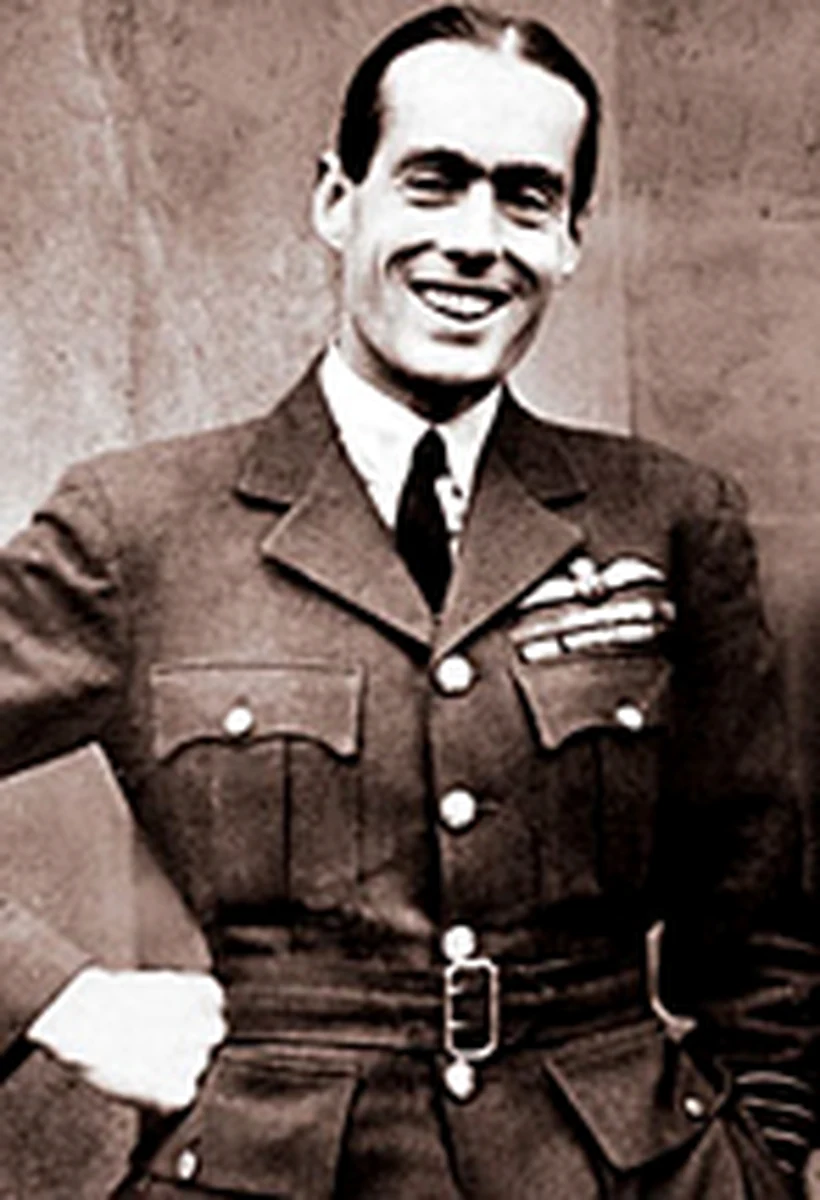
A life of service and humanitarian action.
Leonard Cheshire was born on 7 September 1917 and was educated at Chatham House, Stowe and Merton College, Oxford. He joined the University Air Squadron and later became a highly decorated Royal Air Force officer.
After the Second World War, his work took a humanitarian direction. He helped establish a worldwide network of homes that offered care, dignity and community to people with disabilities.
From military service to a global movement
Leonard Cheshire commanded the well-known 617 Squadron and received the Victoria Cross in 1944. After the war, he developed plans for cooperative settlements and increasingly dedicated his life to social service.
In 1959 he married Sue Ryder, who was also widely known for her humanitarian work. Together, they became influential advocates for people who were ill, disabled or socially excluded.
Leonard Cheshire and Sri Lanka
Leonard Cheshire formally opened the Sir James and Lady Peiris Cheshire Home on 19 March 1966. He visited the Mount Lavinia Home on five occasions between 1966 and 1992 and remained closely associated with its mission.
His lasting legacy
Leonard Cheshire believed that people with disabilities should not be separated from society. His work promoted participation, personal freedom, human rights and the opportunity to contribute..